Many people eat turkey because they believe it is healthy. But very few people really understand turkey breast calories. This lean protein is important for weight loss, blood sugar control, and daily nutrition.
Turkey breast is not just low in calories. Also rich in protein, vitamins, and minerals, this supports real health goals. To lose weight, manage diabetes, or eat healthier, knowing the calories in turkey breast can help.
This article explains everything clearly. No confusion. No hype. Just real facts you can use.
Turkey Breast Calories: A Clear Breakdown
Understanding calories is the foundation of smart eating.
How Many Calories Breast?
A standard serving of roasted turkey breast without skin contains:
- 120–135 calories per 3 ounces (85g)
This makes turkey breast one of the lowest-calorie animal proteins available.
Why Turkey Breast Calories Are So Low
Turkey breast is naturally lean. It contains very little fat and no carbohydrates. Since fat has more than double the calories of protein, this low-fat structure keeps turkey breast calories low. It still provides strong nutrition.
| Turkey Type | Serving Size | Calories |
|---|---|---|
| Roasted turkey breast (skinless) | 3 oz | 120–135 |
| Baked turkey breast | 3 oz | ~125 |
| Grilled turkey breast | 3 oz | ~120 |
| Deli turkey breast (processed) | 2 slices | 60–90 |
| Turkey breast with skin | 3 oz | 160–180 |
Calories in Roasted Turkey Breast vs Other Types
The way turkey breast is cooked has a direct effect on calories. This happens mainly because of fat use, moisture loss, and skin content during cooking.
Roasted turkey breast (skinless) contains about 125 calories per 3 ounces. Roasting uses dry heat and does not require extra oil. This keeps fat low while locking in protein.
Grilled turkey breast is slightly lower at around 120 calories. Grilling allows some natural fat to drip away during cooking. This makes it one of the leanest options.
Baked turkey breast is similar to roasted turkey. It stays around 125 calories when cooked without added oil or butter.
Turkey breast with skin jumps to 160–180 calories. The skin holds fat and absorbs heat. This increases calorie and saturated fat content quickly.
Removing the skin is one of the easiest ways to reduce turkey breast calories. It can lower calories by up to 40% without changing protein intake.
Removing the skin lowers calories by up to 40%.
Turkey breast stands out for a reason.
| Protein | Calories (3 oz) | Protein |
|---|---|---|
| Turkey breast | ~125 | 26g |
| Chicken breast | ~140 | 25g |
| Salmon | ~175 | 22g |
| Lean beef | ~180 | 22g |
| Pork | ~190 | 21g |
Turkey Nutrition Facts Explained Simply
Looking at turkey nutrition facts shows why turkey breast is more than just a low-calorie food.
A 3-ounce serving of skinless turkey breast provides about 125 calories but delivers 26 grams of protein. That is a high amount for such a small calorie count.
Turkey breast contains only 1–2 grams of fat, with minimal saturated fat. This helps protect heart health.
It also provides important vitamins and minerals:
- Vitamin B6 helps your body turn food into energy.
- Vitamin B12 supports brain function and nerve health.
- Selenium strengthens the immune system and protects cells.
Turkey breast has no sugar and no carbohydrates, making it clean and nutrient-dense.
Looking at turkey nutrition facts shows why turkey breast is so valuable.
Breast Nutrition (3 oz, skinless)
- Calories: ~125
- Protein: 26g
- Fat: 1–2g
- Saturated fat: <0.5g
- Cholesterol: ~65mg
- Sodium: ~55mg
- Vitamin B6: Supports metabolism
- Vitamin B12: Supports nerve health
- Selenium: Supports immune function
Turkey provides nutrients without excess calories or sugar.
Turkey Breast Calories and Weight Loss
Weight loss depends on eating fewer calories than your body burns. Turkey breast makes this easier and more sustainable.
Turkey breast has low calorie density, meaning you can eat a satisfying portion without eating too many calories. At the same time, it is very filling due to its protein content.
Because turkey breast is easy to portion, people can control servings without stress. A simple 3–4 ounce serving fits most weight loss plans.
When people switch from fatty meats to turkey breast, they often reduce daily calories naturally. They feel full but eat less overall.
This is why turkey breast is common in successful weight loss diets.
How Turkey Breast Supports Weight Loss
- Low calorie density
- High protein per serving
- Very filling
- Easy to portion
Real Example
Many diet plans recommend eating turkey breast 3–5 times per week. People report better appetite control and fewer cravings within days.
Turkey Breast and Diabetes: A Smart Protein Choice
For people with Diabetes, food choices directly affect blood sugar levels. Turkey breast is one of the safest proteins.
Turkey breast contains zero carbohydrates and no natural sugar. This means it does not raise blood glucose on its own.
Protein also slows how quickly food leaves the stomach. When you eat turkey breast with carbs like rice or vegetables, it helps prevent sharp blood sugar spikes.
Another benefit is its low saturated fat. High saturated fat can worsen insulin resistance. Turkey breast avoids this issue.
Fresh turkey breast is best. Calories in turkey breast deli meat often come with high sodium, which can increase blood pressure and stress blood sugar control.
Why Turkey Breast Is Diabetes-Friendly
- Zero carbohydrates
- No natural sugar
- Low saturated fat
- Helps slow digestion
Protein helps reduce glucose spikes when eaten with carbs. Turkey breast fits perfectly into balanced diabetes meals.
Important Tip
Choose fresh turkey breast. Calories in turkey breast deli meat often come with high sodium and preservatives.
Calories in Turkey Breast Deli Meat
Deli turkey is popular because it is convenient, but it is not the same as fresh turkey breast.
Two slices of turkey breast deli meat usually contain 60–90 calories. Protein content is lower, around 8–12 grams, depending on the brand.
The biggest issue is sodium. Many deli meats contain excessively high sodium levels to improve shelf life and flavor.
High sodium can cause water retention, raise blood pressure, and reduce heart health benefits.
How Many Calories Are in Breast Deli Meat?
- 2 slices: 60–90 calories
- Protein: 8–12g
- Sodium: Often very high
Why Deli Turkey Is Less Ideal
- High sodium
- Preservatives
- Less filling
Deli turkey is fine occasionally. But for regular meals, fresh turkey breast is the healthier option.
Breast Turkey Calories With Skin vs Without Skin
Turkey skin contains fat, and fat adds calories quickly.
A skinless turkey breast has about 125 calories per serving.
The same portion with skin jumps to around 170 calories.
The skin also increases saturated fat, which is not ideal for heart health.
Calories Comparison
- Without skin: ~125 calories
- With skin: ~170 calories
Removing the skin saves calories and reduces saturated fat.
Turkey Benefits Beyond Calories
Turkey breast offers benefits beyond calorie control.
It helps build muscles and recover, making it great for active people.
It helps control hunger, which improves eating habits.
Turkey promotes cardiovascular wellness because of its low saturated fat.
It boosts immunity with zinc and selenium.
Key Turkey Benefits
- Supports muscle growth
- Helps control hunger
- Supports heart health
- Strengthens immunity
- Provides B vitamins for energy
Turkey also contains tryptophan, which supports mood and sleep quality.
How Many Calories Are in a Turkey Breast (Whole)?
People who meal prep often cook a whole turkey breast.
A 1-pound raw turkey breast (skinless) contains about 600–650 calories total. After cooking, the weight decreases due to water loss.
This amount usually feeds 3–4 people, making turkey breast cost-effective and efficient.
Whole Breast Calories
- 1 lb raw turkey breast (skinless): ~600–650 calories
- Cooked portion feeds 3–4 people
This makes turkey affordable and efficient.
Calories in Turkey Breast by Cooking Method
Cooking methods change calories mainly through added fats.
Roasting, baking, grilling, and air frying keep calories low when you don’t add oil.
Deep frying adds large amounts of fat and calories.
Creamy sauces and sugary glazes can double total calories quickly.
Best Low-Calorie Methods
- Roasting
- Baking
- Grilling
- Air frying
Avoid
- Deep frying
- Creamy sauces
- Sugary glazes
Simple seasoning keeps calories low.
Turkey Recipes That Stay Healthy
Healthy turkey recipes do not need to be boring.
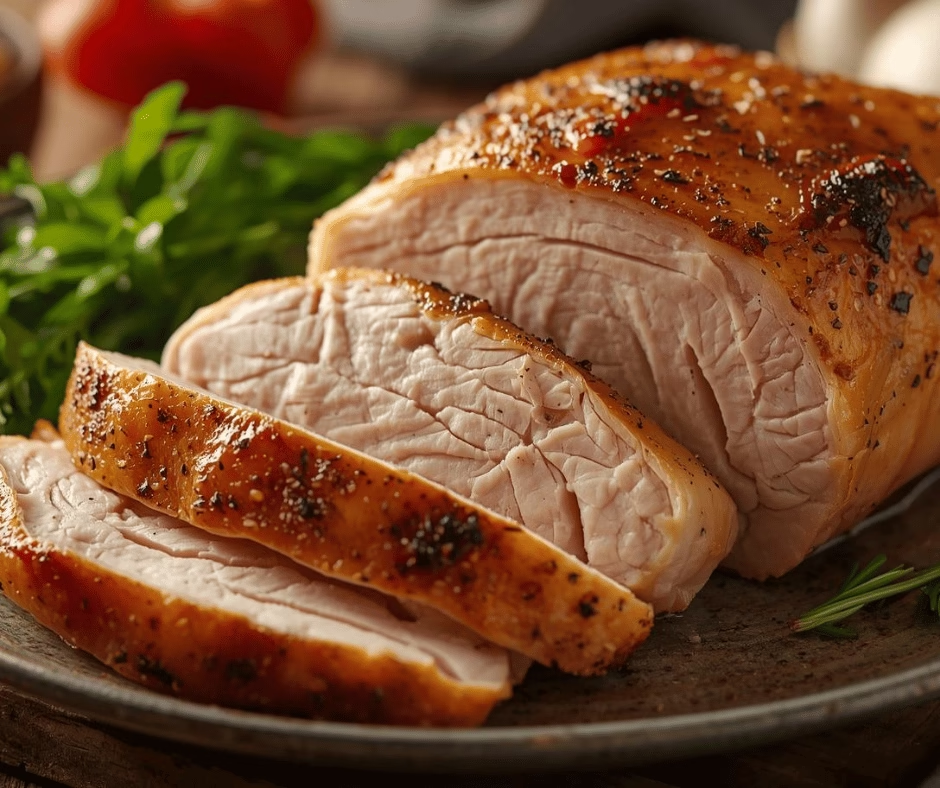
Herb-roasted turkey breast keeps calories low and flavor rich.
Turkey lettuce wraps replace bread, reducing calories.
Turkey vegetable bowls add fiber and nutrients.
Lean turkey chili is filling and protein-rich.
Turkey stir-fry works well with vegetables and light sauces.
Low-Calorie Ideas
- Herb-roasted turkey breast
- Turkey lettuce wraps
- Turkey vegetable bowls
- Lean turkey chili
- Turkey stir-fry
These meals keep turkey breast calories under control.
Turkey Breast Calories vs Chicken Breast
Turkey breast and chicken breast are remarkably similar, but turkey often has a slight advantage.
breast calories are usually a little lower.
Protein content is almost the same.
Turkey breast tends to be slightly leaner, with less fat.
For people bored of chicken, turkey is an excellent alternative.
Comparison
- Turkey breast calories: slightly lower
- Protein: similar
- Fat: turkey slightly leaner
Turkey is a strong alternative to chicken.
Is Turkey Breast Good for Heart Health?
Turkey breast supports heart health when prepared correctly.
Low in saturated fat, this helps manage cholesterol.
High protein supports healthy body composition.
Selenium helps reduce oxidative stress.
Why Turkey Supports Heart Health
- Low saturated fat
- High protein
- Rich in selenium
- Helps manage cholesterol
Avoid processed turkey for best results.
Who Should Eat Turkey Breast Regularly?
Turkey breast fits many diets and lifestyles.
It works well for:
- Weight loss plans
- Diabetes diets
- High-protein eating
- Muscle building
- Heart-healthy nutrition
Few foods offer this level of flexibility with such low calories.
Conclusion: Why Turkey Breast Calories Matter
Understanding turkey breast calories helps you eat smarter, not less. Turkey breast delivers lean protein, essential nutrients, and real satisfaction without excess calories.
– It aids in weight reduction.
– benefits those with diabetes.
– complements nearly every nutritious eating plan in the USA and Canada.
For a clean, filling, and reliable protein, turkey breast deserves a permanent place on your plate.

Taylor Green
Taylor Green writes about balanced eating, meal planning, and evidence-based nutrition tips. Their goal is to make healthy eating simple and achievable for everyone.
- Taylor Green

- Taylor Green
- Taylor Green
- Taylor Green