
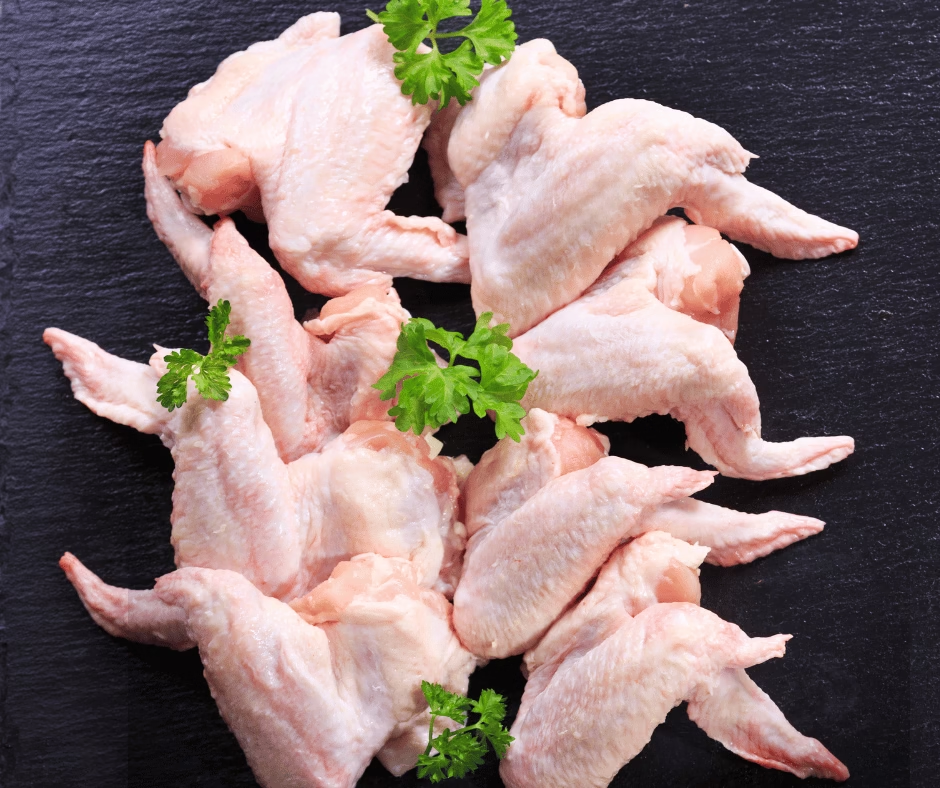
Chicken wings are a staple in American and Canadian diets. From game nights to family meals, they are loved for their flavor and convenience. Yet many people still search for accurate nutritional information on chicken wings to understand how they fit into a healthy lifestyle.
Calories, protein, fat, and carbohydrates in chicken wings vary widely based on portion size, cooking method, and added sauces. Without clear guidance, it is easy to underestimate their nutritional impact. This article provides a complete, evidence-based breakdown of chicken wing nutrition, including calories per wing, protein content, fat levels, and carbohydrate count in popular styles.
By the end of this guide, you will know exactly how chicken wings compare to other protein sources and how to enjoy them responsibly without compromising your health goals.
Nutritional Information on Chicken Wings: The Big Picture
Chicken wings come from dark meat.
That alone changes their nutrition profile compared to chicken breast.
Here’s what makes chicken wings unique:
- Higher fat than breast meat
- Strong flavor without heavy seasoning
- High protein density per bite
- Calories vary widely by cooking method
When people search for nutrition information chicken wings, they usually want simple answers. Let’s break it down step by step.
Nutritional Value in Chicken Wings
A single plain chicken wing (with skin, roasted) provides approximately:
- Calories in chicken wing: 80–100 calories
- Protein: 6–7 grams
- Fat: 6–8 grams
- Carbohydrates: 0 grams
This changes fast when wings are fried, breaded, or covered in sauce.
Why Skin Matters So Much
Most of the fat in chicken wings comes from the skin.
Remove the skin, and calories drop sharply — but flavor drops too.
That’s the trade-off.
Calories in Chicken Wing: What Most People Get Wrong
People often underestimate wing calories.
Here’s the truth:
- Baked or roasted wing: ~80–100 calories
- Fried wing: 120–150 calories
- Buffalo wing (sauced): 130–160 calories
- Breaded wing: 150–180 calories
So when someone asks, how many calories in chicken wing, the answer depends on preparation.
Real-Life Example
A restaurant order of 10 fried wings can easily exceed 1,200 calories once oil and sauce are included.
That’s not “bad.”
It’s just information you need.
How Many Calories in a 6 oz Chicken Breast (Comparison)
Many people compare wings to breast meat.
So let’s be clear.
How many calories in a 6 oz chicken breast (skinless, cooked)?
- Calories: ~280
- Protein: ~52 grams
- Fat: ~6 grams
- Carbs: 0 grams
Wings vs Breast: Quick Insight
- Chicken breast = lean protein powerhouse
- Chicken wings = higher fat, more flavor
Both can fit into a healthy diet.
The goal is balance, not perfection.
Protein of Chicken Wings: Are Wings Good for Muscle?
Yes, but with context.
The protein of chicken wings is real and valuable.
Protein Content
- One wing: ~6–7 grams protein
- Five wings: ~30–35 grams protein
That’s enough to support muscle repair and fullness.
Why Athletes Still Eat Wings
Many athletes enjoy wings on refeed days or social meals.
Protein helps offset the fat, making wings more filling than many snacks.
How Much Fat in Chicken Wings?
This is where wings get their reputation.
Fat Breakdown (Per Wing)
- Total fat: 6–8 grams
- Saturated fat: ~2 grams
- Unsaturated fat: ~4–5 grams
So when asking how much fat in chicken wings, the answer is: moderate to high.
Is the Fat Bad?
Not automatically.
Fat:
- Slows digestion
- Improves satiety
- Enhances flavor
The issue is excess, not presence.
How Many Carbs Are in a Hot Wing?
Plain wings contain zero carbs.
But hot wings are different.
Carbs by Style
- Plain wing: 0 carbs
- Buffalo wing: 1–2 grams
- Breaded hot wing: 6–10 grams
- Sweet sauce wing: 10–15 grams
So if you’re asking how many carbs are in a hot wing, check the sauce first.
Nutrition Information Chicken Wings by Cooking Method
Fried Chicken Wings
- Highest calories
- Highest fat
- Crispy texture
Best eaten occasionally.
Baked Chicken Wings
- Lower calories
- Less oil
- Still flavorful
Best option for home cooking.
Air-Fried Chicken Wings
- Minimal oil
- Crispy skin
- Lower fat than deep frying
A top choice for health-focused eaters.
Nutritional Information on Chicken Wings With Sauce
Sauce changes everything.
Sauce Calories Add Fast
- Ranch dip (2 tbsp): ~140 calories
- Blue cheese (2 tbsp): ~150 calories
- Honey BBQ (2 tbsp): ~70 calories
Many people eat more calories from sauce than wings.
Tip: Dip lightly, don’t drench.
Are Chicken Wings Healthy? (An Honest Answer)
Chicken wings are not junk food by default.
They are:
- High in protein
- Naturally low in carbs
- Satisfying
But they can become unhealthy when:
- Deep-fried
- Covered in sugary sauces
- Eaten in very large portions
Health depends on how and how often.
Chicken Wings and Weight Loss: Can They Fit?
Yes, with strategy.
Smart Wing Tips
- Choose baked or air-fried
- Skip breading
- Use dry rubs
- Pair with veggies
Many people fail diets not because of wings, but because of mindless eating.
Chicken Wings for Keto and Low-Carb Diets
Chicken wings are keto-friendly.
Why?
- Zero carbs (plain)
- High fat
- Moderate protein
Just avoid sweet sauces.
Chicken Wings for Heart Health: What to Know
Because wings contain saturated fat, moderation matters.
Heart-Smart Tips
- Limit fried wings
- Remove excess skin sometimes
- Balance with fiber-rich foods
One wing night won’t hurt your heart.
Daily excess might.
Nutritional Value in Chicken Wings vs Other Meats
Compared to Chicken Thighs
- Similar fat
- Similar flavor
- Slightly less protein
Compared to Red Meat
- Less saturated fat
- Fewer calories per ounce
- Easier digestion
Wings can be a better choice than processed meats.
Portion Control: How Many Wings Should You Eat?
A reasonable serving:
- 4–6 wings for a meal
- 2–3 wings as a snack
Eating 12–15 wings in one sitting turns nutrition upside down.
Real-Life Example: Balanced Wing Meal
A balanced plate:
- 5 baked wings
- Side salad
- Sparkling water
Total calories: ~500–600
Protein: ~35 grams
That’s not unhealthy. That’s realistic.
FAQs: People Also Ask About Chicken Wings
Are chicken wings good for protein?
Yes. They provide quality animal protein.
Are wings better than burgers?
Often yes, especially when baked.
Can I eat wings on a diet?
Yes, with portion control.
Final Thoughts: Nutritional Information on Chicken Wings
Understanding the nutritional information on chicken wings gives you control.
Wings are not the enemy.
Ignorance is.
They offer real protein, satisfying fat, and zero carbs when prepared simply. Calories rise with frying and sauce, not the meat itself.
If you love wings, keep loving them just eat them smarter.
Choose better cooking methods. Watch portions. Balance your plate.
That’s how chicken wings fit into a healthy American or Canadian lifestyle without guilt, fear, or extremes.
Knowledge makes food enjoyable again.

Taylor Green
Taylor Green writes about balanced eating, meal planning, and evidence-based nutrition tips. Their goal is to make healthy eating simple and achievable for everyone.
- Taylor Green

- Taylor Green
- Taylor Green
- Taylor Green