

Taylor Green
Taylor Green writes about balanced eating, meal planning, and evidence-based nutrition tips. Their goal is to make healthy eating simple and achievable for everyone.
- Taylor Green

- Taylor Green
- Taylor Green
- Taylor Green




Why Ground Beef Nutrition Matters More Than You Think
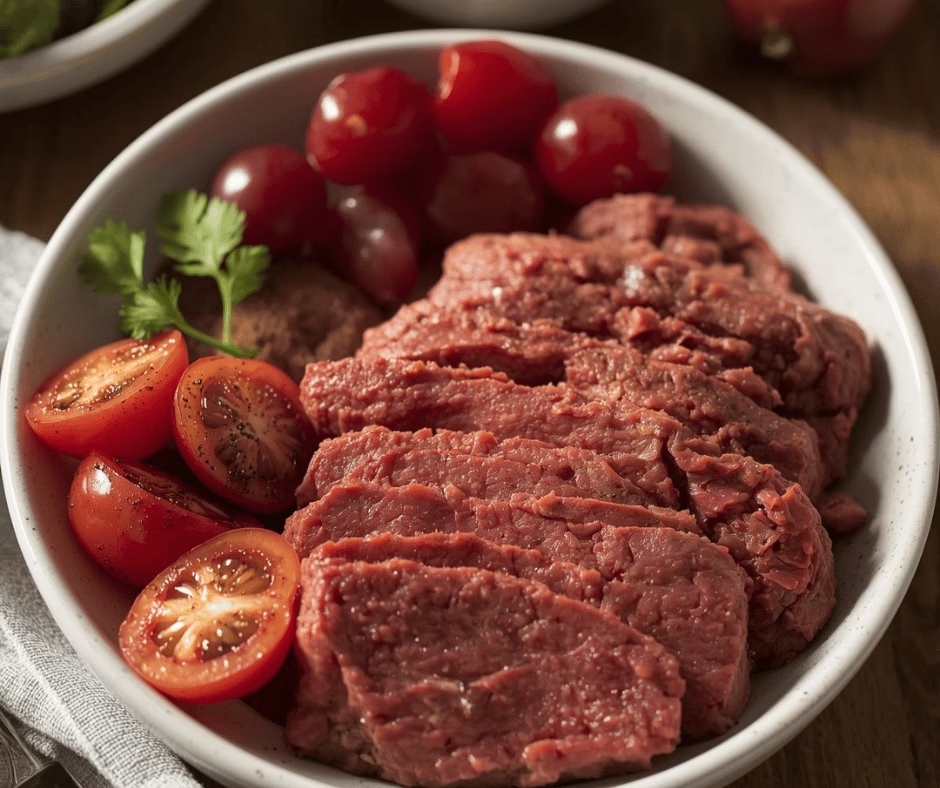
Ground beef nutrition plays a bigger role in your daily diet than most people realize. From quick weeknight dinners to meal prep staples, ground beef is one of the most commonly eaten proteins in the USA and Canada. Yet many people still wonder if it is healthy, how many calories it contains, and how much protein it truly provides.
The truth is simple. When chosen wisely, ground beef can be both nutritious and satisfying.
It provides high-quality protein, important vitamins, and lasting energy. Cooking is easy and affordable. But fat content, portion size, and cut selection all matter.
This guide breaks down everything you need to know in a clear and practical way. You will learn how to choose the best option for your goals, without confusion or guilt.
What Is Ground Beef?
Producers make ground beef by grinding beef trimmings from different cuts of a cow. These cuts may come from the chuck, round, or sirloin. The final product varies in fat content, taste, and nutrition.
The label you see in stores usually shows a lean-to-fat ratio. For example:
- 80/20 means 80% lean meat and 20% fat
- 90/10 means 90% lean meat and 10% fat
Fat affects both flavor and calories. This is why understanding ground beef nutrition facts is important before buying.
Ground Beef Nutrition Facts
Let’s look at the core ground beef nutrition facts most people value.
Calories and Macronutrients|Per 100g – Cooked
Values vary by fat content, but average numbers look like this:
- Calories: 250–280
- Protein: 24–26g
- Fat: 17–22g
- Saturated fat: 7–9g
- Cholesterol: 80–90mg
These numbers explain why ground beef is filling. It delivers high protein with energy-dense fat.
Protein in Beef: Why It’s So Valuable
One of the biggest benefits of beef is the protein in beef. Beef provides complete protein. That means it contains all nine essential amino acids.
Why protein in beef matters:
- Supports muscle growth
- Helps repair tissues
- Keeps you full longer
- Supports metabolism
For athletes, busy parents, and older adults, protein matters daily. Ground beef makes it easy to meet protein needs without complex cooking.
A single serving can provide over 45% of your daily protein needs.
Calories Pound Ground Beef: What You Need to Know
Many people ask about calories pound ground beef because they meal prep or cook in bulk.
Here is a clear comparison (raw weight):
- 80/20 ground beef: ~1,150–1,200 calories per pound
- 85/15 ground beef: ~1,000–1,050 calories per pound
- 90/10 ground beef: ~800–850 calories per pound
- 93/7 ground beef: ~650–700 calories per pound
Cooking reduces water and fat, but calories remain concentrated. If you track calories, leaner beef is easier to manage.
Ground Sirloin vs Ground Beef: What’s the Difference?
Many shoppers feel confused by ground sirloin vs ground beef. The difference is real, and it matters.
Ground Beef
- Can come from multiple cuts
- Often higher in fat
- Juicier and cheaper
- Best for burgers and comfort foods
Ground Sirloin
- Comes only from the sirloin cut
- Leaner and higher protein
- Slightly firmer texture
- Lower calories and fat
If your goal is balanced nutrition, ground sirloin is a smart choice. If flavor is your priority, regular ground beef works well.
What Is Ground Round?
Many people ask: what is ground round?
Ground round comes from the rear leg of the cow. Naturally lean and firm.
Key features of ground round:
- Lower fat than chuck
- Higher protein
- Less juicy
- Best for meatballs, meatloaf, and sauces
Ground round sits between ground sirloin and standard ground beef. It offers a good balance of nutrition and cost.
Vitamins and Minerals in Ground Beef
Ground beef does more than provide protein. It delivers key nutrients your body needs.
Important nutrients include:
- Iron (supports oxygen transport)
- Zinc (supports immunity)
- Vitamin B12 (supports nerves and brain)
- Selenium (antioxidant support)
These nutrients are highly bioavailable. That means your body absorbs them well.
Is Ground Beef Healthy?
Yes, when eaten in the right portions and chosen wisely.
Ground beef can be healthy if you:
- Choose leaner options
- Balance meals with vegetables
- Avoid overcooking
- Control portion size
Many diet plans still include beef because of its nutrient density. It fits into high-protein, low-carb, and balanced diets.
Ground Beef Nutrition for Weight Loss
Ground beef often gets blamed during weight loss. But the truth is more balanced.
Lean ground beef can support fat loss because:
- Protein increases fullness
- Meals stay satisfying
- Blood sugar stays stable
Choosing 90/10 or leaner helps reduce excess calories while keeping meals enjoyable.
Ground Beef Nutrition for Muscle Building
For muscle gain, protein in beef is a major advantage.
Many strength athletes rely on ground beef because:
- Affordable.
- Easy to cook
- High in leucine (muscle-building amino acid)
Eating ground beef post-workout can help muscle recovery when paired with carbs.
Grass-Fed vs Regular Ground Beef
Grass-fed beef is often marketed as superior. But how much difference does it make?
Grass-fed ground beef:
- Slightly higher omega-3 fats
- Often leaner
- Stronger flavor
- More expensive
Regular ground beef:
- More widely available
- More affordable
- Still highly nutritious
Both options fit into a healthy diet.
Ground Beef Meal Prep Ideas for Busy People
If you cook once and eat all week, you need smart ground beef meal prep ideas.
Easy ideas:
- Taco bowls with rice and beans
- Beef and veggie stir-fry
- Lean beef chili
- Meatballs with quinoa
- Stuffed bell peppers
Ground beef reheats well and stays flavorful.
Portion Control: How Much Ground Beef Should You Eat?
A healthy serving size is about:
- 3–4 ounces cooked per meal
This provides enough protein without excess fat. Pair it with fiber-rich foods to stay full.
Cooking Tips to Improve Ground Beef Nutrition
Small cooking choices make a significant impact.
Smart tips:
- Drain excess fat after cooking
- Avoid deep frying
- Use herbs instead of heavy sauces
- Cook over medium heat
These steps help preserve flavor and nutrition.
Common Myths About Ground Beef
Let’s clear up confusion.
Myth 1: Ground beef is unhealthy
Truth: Lean ground beef fits into healthy diets.
Myth 2: All fat is bad
Truth: Fat adds flavor and satiety.
Myth 3: You should avoid red meat
Truth: Moderation matters more than elimination.
Ground Beef Nutrition for Families
Ground beef is popular in family meals for a reason.
It is:
- Affordable
- Easy to cook
- Kid-friendly
- Nutrient-dense
Used wisely, it supports growing kids and busy parents.
Buying the Best Ground Beef
When shopping:
- Read fat percentages
- Check freshness dates
- Choose trusted sources
- Avoid overly processed blends
Simple choices lead to better meals.
Yes, ground beef can be healthy when eaten in moderation. Choosing lean options and balancing meals with vegetables helps support overall nutrition and heart health.
On average, ground beef provides 24–26 grams of protein per 100 grams cooked. This high protein in beef helps support muscle growth and keeps you full longer.
Calories pound ground beef depends on fat content. A pound of 80/20 ground beef contains about 1,150–1,200 calories, while leaner options like 90/10 contain around 800–850 calories.
Ground sirloin vs ground beef differs mainly in fat and calories. Ground sirloin is leaner and higher in protein, while regular ground beef contains more fat and flavor.
Final Thoughts: Is Ground Beef Worth Including?
Yes. When chosen and prepared well, ground beef nutrition offers real value.
It provides high-quality protein, essential nutrients, and flexibility in cooking. From quick dinners to meal prep, it fits modern life.
Understanding ground beef nutrition helps you eat with confidence. Whether your goal is health, strength, or convenience, ground beef can be part of your plan.
Make informed choices. Cook smart. And enjoy your meals.