
Taylor Green
Taylor Green writes about balanced eating, meal planning, and evidence-based nutrition tips. Their goal is to make healthy eating simple and achievable for everyone.
- Taylor Green

- Taylor Green
- Taylor Green
- Taylor Green
Frozen Vegetables: How to Cook, Roast, and Air Fry Them Perfectly Every Time
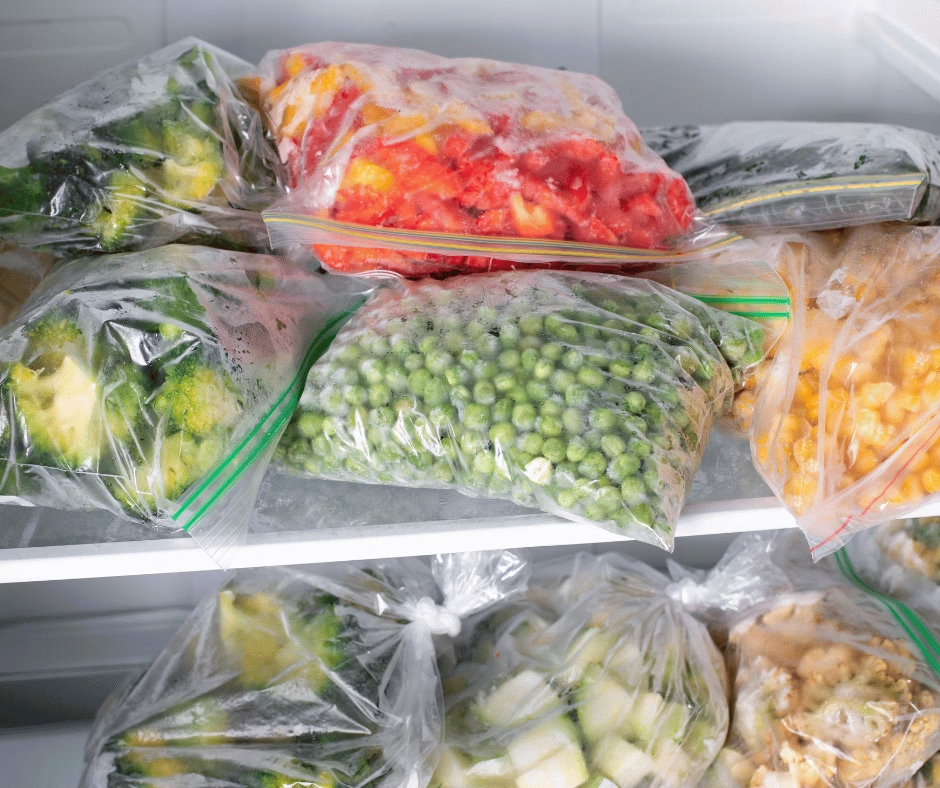
Frozen vegetables are often misunderstood. Many people still see them as a last-minute option or a second-best choice. In reality, they are one of the smartest foods you can keep on hand especially if you live in the USA or Canada and want healthy meals without daily grocery runs.
They save time. They reduce waste. And they make it easier to eat well, even on your busiest days.
In this guide, you’ll learn how to cook frozen vegetables properly, how to roast or air fry them for better texture, and how to use them in meals that taste fresh and satisfying. If convenience matters but nutrition still comes first, you’re in the right place.
What Makes Frozen Vegetables Different From Fresh?
Freezer vegetables are harvested at peak ripeness. That’s when flavor and nutrients are at their highest. Soon after picking, they are washed, lightly blanched, and frozen quickly to lock everything in.
Why This Matters
- Nutrients are preserved early
- Texture stays consistent
- Flavor remains stable
- Shelf life increases dramatically
Fresh produce can lose nutrients during transport and storage. Frozen produce avoids that long delay.
Are Frozen Vegetables Healthy?
Yes. and are a healthy, reliable choice for everyday meals.
Nutrition Facts You Should Know
- High in fiber
- Rich in vitamins like A, C, and K
- Naturally low in calories
- No preservatives needed
Freezing is a preservation method, not a processing trick. For many people, frozen produce is a more dependable way to eat vegetables regularly.
Best Frozen Vegetables to Buy for Flavor and Texture
Not all freezer options cook the same way. Some hold their shape better and taste fresher after cooking.
Best Frozen Vegetables for Everyday Cooking
- Broccoli florets
- Green beans
- Peas
- Spinach
- Cauliflower
- Bell pepper blends
These work well across many cooking methods and recipes.
Are Frozen Mixed Vegetables a Smart Choice?
Frozen mixed vegetables are practical and efficient. They usually include carrots, peas, corn, and green beans. One bag adds color, fiber, and variety to meals with zero prep time.
They are perfect for quick dinners, soups, and rice dishes.
How to Cook Frozen Vegetables Without Making Them Mushy
One common mistake ruins freezer vegetables: low heat.
Simple Rules That Always Work
- Cook straight from frozen
- Use high heat
- Avoid crowding the pan
- Season after cooking
These steps help moisture evaporate quickly, which improves texture.
Can You Roast Frozen Vegetables and Get Them Crispy?
Yes, and the results can be excellent if you follow the right method.
How to Roast Frozen Vegetables the Right Way
- Preheat oven to 425°F
- Spread vegetables in a single layer
- Add oil lightly
- Roast for 20–30 minutes
- Flip once halfway through
Best Choices for Roasting
- Broccoli
- Cauliflower
- Brussels sprouts
- Carrots
High heat is the key. It helps moisture escape and creates browning.
How to Roast Frozen Vegetables for Maximum Flavor
If you want deeper flavor, seasoning matters.
Flavor Tips
- Add garlic powder or smoked paprika
- Finish with lemon juice
- Sprinkle parmesan after roasting
- Use olive or avocado oil
These small steps turn a basic side dish into something crave-worthy.
Air Fryer Frozen Vegetables: Faster Than the Oven
Why the Air Fryer Works So Well
- Intense heat circulation
- Short cook times
- Minimal oil needed
How to Air Fry Frozen Vegetables
- Preheat air fryer to 400°F
- Add vegetables in one layer
- Cook for 10–15 minutes
- Shake basket halfway
Best Vegetables for Air Frying
- Green beans
- Broccoli
- Brussels sprouts
- Frozen mixed vegetables
Air frying creates crisp edges similar to roasting, but faster.
Air Fry Frozen Vegetables vs Oven Roasting
Both methods work. The best choice depends on time.
Choose Air Frying When
- You want speed
- You’re cooking small portions
- You want extra crispness
Choose Oven Roasting When
- You’re cooking large batches
- You want even browning
- You’re making full meals
Both methods beat boiling when it comes to texture.
Boiling, Steaming, and Sautéing: When to Use Each
Each cooking method has a purpose.
Boiling
Best for soups or blending. Texture becomes soft.
Steaming
Preserves nutrients. Gentle texture.
Sautéing
Adds flavor fast. Best for stir-fries and pasta dishes.
Match the method to the dish, not the habit.
Frozen Vegetable Soup: Simple, Filling, and Flexible
Frozen vegetable soup is one of the easiest healthy meals you can make.
Basic Frozen Vegetable Soup Method
- Onion and garlic
- Vegetable or chicken broth
- Frozen vegetable blend
- Salt, pepper, herbs
Simmer for 20 minutes. Blend or keep chunky. This soup works for lunch, dinner, or meal prep.
Easy Frozen Vegetable Recipes for Busy Days
Frozen vegetable recipes are perfect when time is limited.
1. One-Pan Veggie Stir-Fry
Use frozen mixed vegetables. Add soy sauce, garlic, and ginger. Serve with rice.
2. Roasted Veggie Grain Bowls
Roast freezer vegetables. Add quinoa, beans, or chicken.
3. Veggie Omelet
Sauté vegetables and add eggs for a fast, filling meal.
4. Creamy Vegetable Pasta
Combine cooked vegetables with pasta and a light cream or tomato sauce.
These meals are affordable and family-friendly.
Frozen Vegetables vs Fresh: Which Is Better?
Both have value. The best choice depends on timing.
Fresh Is Best When
- Locally grown
- In season
- Used quickly
Frozen Is Best When
- Produce is out of season
- Time is limited
- Food waste is a concern
For many households, freezer vegetables offer more consistency.
Are Frozen Vegetables Good for Weight Loss?
Yes. They fit well into weight-loss plans.
Why They Help
- Low in calories
- High in volume
- Rich in fiber
- Easy to portion
Common Mistakes That Ruin Frozen Vegetables
Avoid these errors.
What Not to Do
- Thaw before cooking
- Use low heat
- Crowd the pan
- Skip seasoning
Fixing these mistakes instantly improves results.
How to Choose High-Quality Frozen Vegetables
What to Look For
- Single-ingredient bags
- No added sauces
- Loose pieces, not clumps
What to Avoid
- Ice buildup
- Added salt or sugar
- Cream-based sauces
Quality still matters in the freezer aisle.
Storage Tips for Better Taste and Texture
- Keep freezer at 0°F or lower
- Reseal bags tightly
- Use within 8–12 months
Proper storage keeps flavor intact.
Real-Life Example: Why Busy Families Rely on Frozen Produce
Many families across the USA and Canada use freezer vegetables for weeknight meals. Parents save prep time. Fitness-focused adults use them for meal prep. Older adults appreciate the ease and reduced waste.
These foods support real-life eating habits.
Final Thoughts:
Frozen vegetables are not a compromise. They are a practical, nutritious solution for modern eating. They save time, reduce waste, and make balanced meals easier to prepare.
Whether you roast them, air fry them, or use them in soups and simple dinners, deserve a permanent place in your freezer.
Cook them well. Season them thoughtfully. Use them often. Your meals and your schedule will improve.