
Taylor Green
Taylor Green writes about balanced eating, meal planning, and evidence-based nutrition tips. Their goal is to make healthy eating simple and achievable for everyone.
- Taylor Green

- Taylor Green
- Taylor Green
- Taylor Green

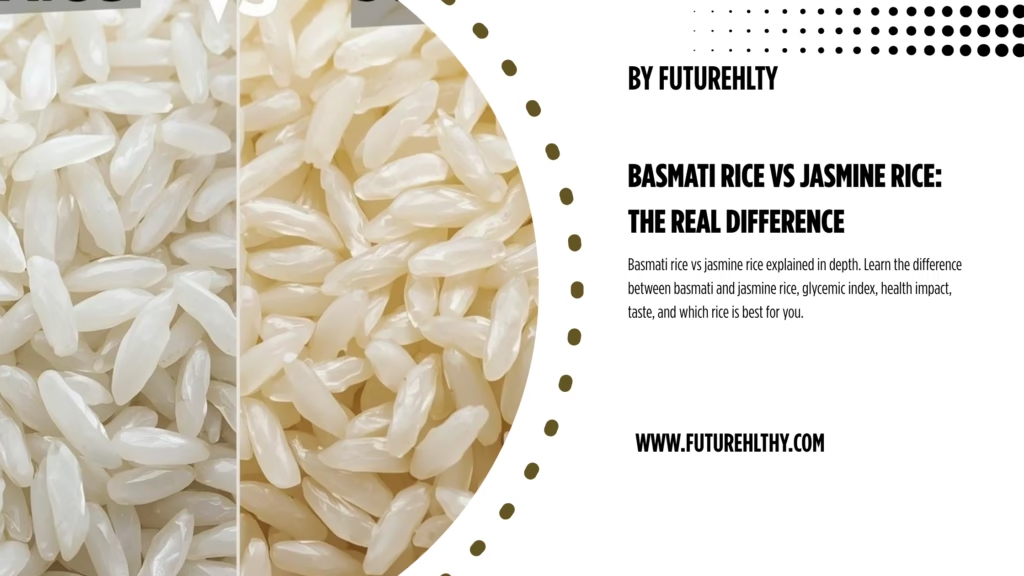
Standing in the rice aisle, many people ask the same question: basmati rice vs jasmine rice which one should I buy? They look similar. They cook the same way. Jasmine rice and basmati rice are remarkably different in flavor, texture, nutrition, and how they affect blood sugar.
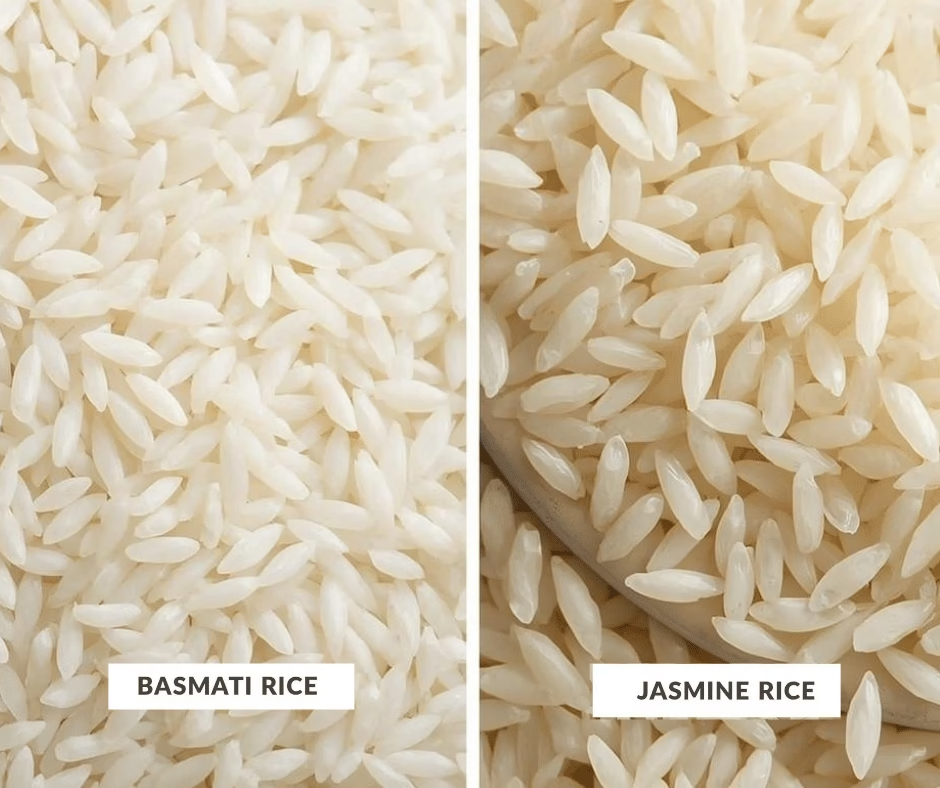
If you value taste, digestion, or health goals like weight management or diabetes control, choosing the right rice matters. This guide breaks down the difference between basmati and jasmine rice in a simple, honest way.
No fluff. No confusion. Just clear answers backed by experience and nutrition facts.
By the end, you’ll know exactly which rice fits your plate and why.
What Is Basmati Rice?
Basmati rice is a long-grain aromatic rice traditionally grown in India and Pakistan. People know it for its slender grains, dry texture, and nutty aroma.
When cooked properly, basmati rice stays fluffy and separate. It does not clump. This makes it a staple in dishes like biryani, pilaf, and curry bowls.
Key Characteristics of Basmati Rice
- Long and thin grains
- Dry, fluffy texture after cooking
- Mild nutty flavor
- Grown mainly in South Asia
- Naturally aromatic
Basmati rice has been used for centuries in traditional diets. Many people prefer it because it feels lighter on the stomach.
What Is Jasmine Rice?
Jasmine rice is also a long-grain aromatic rice, but it comes mainly from Thailand and Southeast Asia. It has a soft texture, a slightly sticky finish, and a subtle floral aroma.
Restaurants commonly serve jasmine rice with stir-fries, grilled meats, and Asian-style dishes. It absorbs sauces well and feels comforting.
Key Characteristics of Jasmine Rice
- Long but slightly thicker grains
- Soft and slightly sticky when cooked
- Light floral aroma
- Grown mainly in Thailand
- Naturally fragrant
While jasmine rice looks similar to basmati, it behaves remarkably differently once cooked.
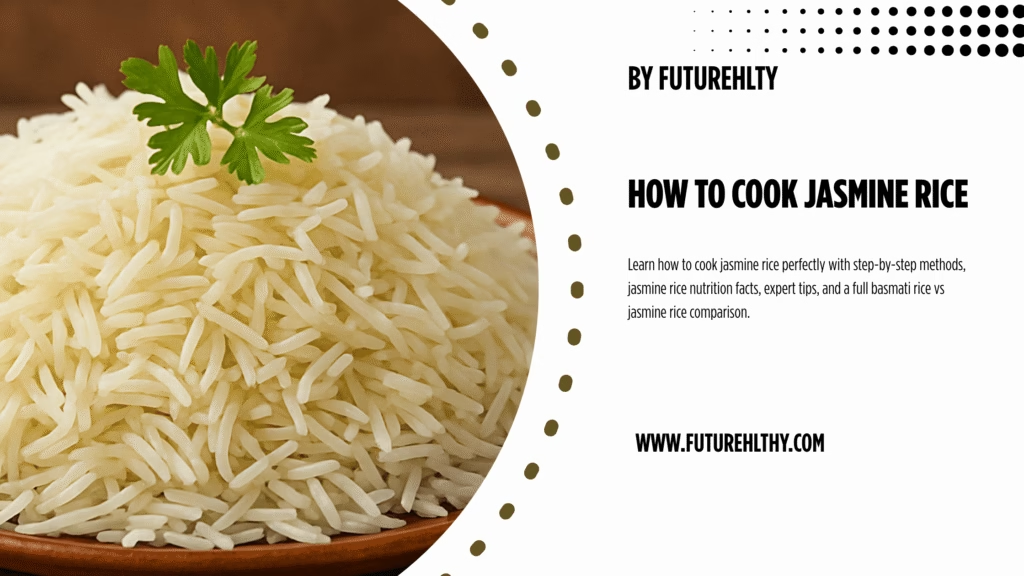
Get the Recipe: How to Cook Jasmine Rice
Difference Between Basmati and Jasmine Rice
Before diving deeper, here’s a simple breakdown of the difference between basmati and jasmine rice:
| Feature | Basmati Rice | Jasmine Rice |
|---|---|---|
| Grain shape | Long and slender | Long but wider |
| Texture | Dry and fluffy | Soft and slightly sticky |
| Aroma | Nutty | Floral |
| Origin | India & Pakistan | Thailand |
| Best for | Curries, pilaf | Stir-fries, sauces |
Now let’s go deeper especially into health and glycemic index, where the real differences matter.
Ground Chicken Recipes: 4 High-Protein Meals for Meal Prep
If you’ve stocked up on ground chicken but keep landing on the same bland stir…
Basmati Rice Instant Pot Guide | Perfect Every Time
If your basmati rice instant pot results are sometimes fluffy and sometimes sticky, you’re not…
How to Cook Basmati Rice
If you want to learn how to cook basmati rice, you’re in the right place….
Basmati Rice vs Jasmine Rice: The Real Difference
Standing in the rice aisle, many people ask the same question: basmati rice vs jasmine…
How To Make Jasmine Rice Instant Pot
If you’ve ever ended up with mushy, sticky, or dry rice, this guide is for…
Jasmine Rice Water Ratio Cooking
Cooking jasmine rice sounds simple until it turns mushy, dry, sticky, or bland. If you’ve…
Jasmine Rice vs Basmati Rice
Taste and Texture Explained
Taste plays a huge role in choosing rice.
Basmati Rice Taste
Basmati rice has a mild nutty flavor. It does not overpower the dish. Instead, it supports spices and sauces. The texture stays light and airy, even after cooling.
This makes basmati rice ideal for:
- Spiced dishes
- Meal prep
- Dishes where rice must stay separate
Jasmine Rice Taste
Jasmine rice has a soft, comforting taste with a floral note. It feels richer in the mouth. The slight stickiness helps sauces cling to the rice.
This makes jasmine rice perfect for:
- Asian-inspired meals
- Saucy dishes
- Comfort food
If you prefer fluffy rice, basmati wins. If you love soft rice, jasmine is your friend.
Ground Chicken Recipes: 4 High-Protein Meals for Meal Prep
If you’ve stocked up on ground chicken but keep landing on the same bland stir…
Basmati Rice Instant Pot Guide | Perfect Every Time
If your basmati rice instant pot results are sometimes fluffy and sometimes sticky, you’re not…
How to Cook Basmati Rice
If you want to learn how to cook basmati rice, you’re in the right place….
Basmati Rice vs Jasmine Rice: The Real Difference
Standing in the rice aisle, many people ask the same question: basmati rice vs jasmine…
How To Make Jasmine Rice Instant Pot
If you’ve ever ended up with mushy, sticky, or dry rice, this guide is for…
Jasmine Rice Water Ratio Cooking
Cooking jasmine rice sounds simple until it turns mushy, dry, sticky, or bland. If you’ve…
basmati rice vs jasmine rice glycemic index
Why It Matters
The glycemic index (GI) indicates the speed at which food elevates blood sugar. This is critical for people with diabetes, insulin resistance, or weight goals.
Basmati vs Jasmine Rice Glycemic Index
- Basmati rice glycemic index: Low to medium (around 50–58)
- Jasmine rice glycemic index: High (around 68–80)
This means basmati rice vs jasmine rice glycemic index is a major health difference.
Why Basmati Has a Lower Glycemic Index
Basmati rice contains:
- More resistant starch
- A unique amylose structure
- Slower digestion rate
As a result, blood sugar rises more slowly.
Why Jasmine Rice Has a Higher Glycemic Index
Jasmine rice is:
- More rapidly digested
- Higher in amylopectin
- Softer after cooking
This causes faster blood sugar spikes.
If blood sugar control matters to you, basmati rice vs jasmine rice glycemic index clearly favors basmati.
Jasmine Rice vs Basmati Rice: Which Is Healthier?
Health depends on your goals, but overall, many people consider basmati rice the healthier option.
Basmati Rice Health Benefits
- Lower glycemic index
- Helps manage blood sugar
- Supports weight control
- Feels lighter on digestion
Many nutritionists recommend basmati rice for people with diabetes or those trying to reduce insulin spikes.
Jasmine Rice Health Considerations
- Higher glycemic index
- Faster energy release
- More satisfying for active lifestyles
Jasmine rice is not unhealthy. It simply digests faster. Athletes or exceptionally active individuals may prefer it.
Jasmine vs Basmati Rice:
Calories and Nutrition
Calorie differences are small, but digestion differs.
Nutrition Per Cooked Cup (Approximate)
- Basmati rice: ~210 calories
- Jasmine rice: ~205 calories
Both are:
- Low in fat
- Gluten-free
- Easy to digest
The real difference is not calories it’s how your body processes them.
Real-Life Example: Meal Prep and Blood Sugar Control
Many people in the USA and Canada meal prep for the week. Here’s what often happens:
- Jasmine rice meals feel great on day one
- Blood sugar crashes appear later
- Hunger returns quickly
With basmati rice:
- Energy feels steadier
- Meals stay satisfying longer
- Less bloating is reported
This is one reason many fitness professionals prefer basmati rice for meal prep.
Cooking Difference Between Basmati and Jasmine Rice
Cooking method affects texture and nutrition.
How to Cook Basmati Rice
- Rinse thoroughly
- Use 1:1.5 rice to water ratio
- Let it rest after cooking
How to Cook Jasmine Rice
- Light rinse only
- Use 1:1.25 rice to water ratio
- Serve immediately for best texture
Overcooking jasmine rice increases stickiness and glycemic response.
Which Rice Is Better for Weight Loss?
If weight loss is your goal, basmati rice vs jasmine rice has a clear winner.
Why Basmati Is Better for Weight Loss
- Lower glycemic index
- Keeps you full longer
- Reduces cravings
Jasmine rice can still fit into a balanced diet, but portion control is key.
Which Rice Is Better for Diabetes?
For diabetes management:
- Basmati rice is the better choice
- Jasmine rice should be eaten in moderation
Always pair rice with:
- Protein
- Fiber
- Healthy fats
This slows digestion and reduces blood sugar spikes.
Jasmine Rice vs Basmati Rice
Cultural and Culinary Use
Basmati Rice Is Best For
- Indian cuisine
- Middle Eastern dishes
- Persian rice dishes
Jasmine Rice Is Best For
- Thai food
- Chinese dishes
- Quick home meals
Choosing rice based on cuisine improves taste and texture.
FAQ:
The main difference between jasmine and basmati rice is texture, aroma, and glycemic index. Basmati rice is fluffier and has a lower glycemic index. Jasmine rice is softer, a bit sticky, and has a higher glycemic index.
Final Verdict:
When comparing basmati rice and jasmine rice, there is no clear winner. The best choice depends on your lifestyle. Choose basmati rice if you want:
- Better blood sugar control
- Fluffy texture
- Long-lasting energy
Choose jasmine rice if you want:
- Soft texture
- Comforting taste
- Quick meals
Both are delicious. Both have a place on your plate. For healthy eating in the USA and Canada, basmati rice is a better everyday choice than jasmine rice.