

Taylor Green
Taylor Green writes about balanced eating, meal planning, and evidence-based nutrition tips. Their goal is to make healthy eating simple and achievable for everyone.
- Taylor Green

- Taylor Green
- Taylor Green
- Taylor Green


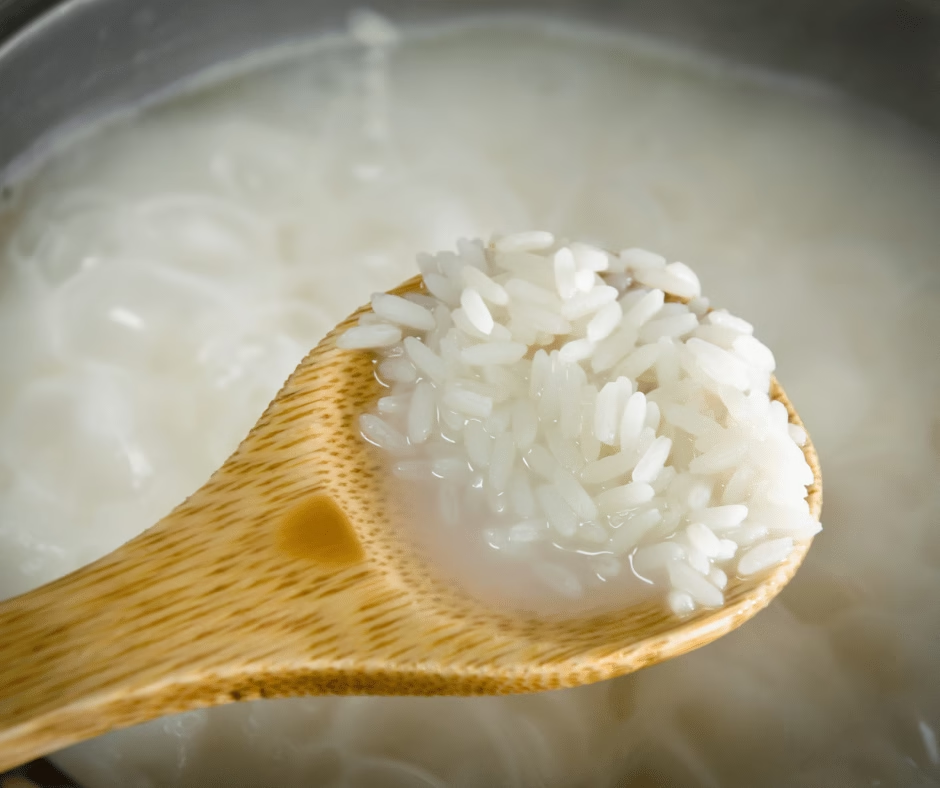
Cooking jasmine rice sounds simple until it turns mushy, dry, sticky, or bland. If you’ve ever asked yourself, “What is the exact jasmine rice water ratio?”, you’re not alone. This single detail determines whether your rice turns out fluffy and aromatic or heavy and soggy.
The correct jasmine rice water ratio is the foundation of perfect texture, flavor, and consistency. When you cook jasmine rice, the water amount changes. This depends on how you cook it, the rice’s age, and the climate.
In this complete guide, you’ll learn:
- The exact water to rice ratio jasmine needs
- How the rice to water ratio changes by cooking method
- Why jasmine rice behaves differently from other types
- Expert tips for flawless results every time
Let’s master jasmine rice once and for all.
What Is Jasmine Rice?
Jasmine rice is a long-grain aromatic rice originally from Thailand. Known for its:
- Light floral aroma
- Soft, tender texture
- Slightly sticky consistency (when cooked properly)
- Delicate, nutty flavor
Jasmine rice is different from basmati. Basmati cooks up dry and separated. Jasmine rice should be soft and fluffy. It should cling lightly but never be wet or gummy.
This is why the jasmine rice water ratio is so important.
Why the Jasmine Rice Water Ratio Matters
Rice absorbs water as it cooks. Too much water and it becomes bloated and mushy. Too little and it turns hard and undercooked.
Getting the correct jasmine rice to water ratio ensures:
Even hydration
Proper starch release
Full aroma development
Light, fluffy texture
No splitting or bursting
Every grain becomes tender without losing structure.
Ground Chicken Recipes: 4 High-Protein Meals for Meal Prep
If you’ve stocked up on ground chicken but keep landing on the same bland stir…
Best Keto Protein Powder Guide for Weight Loss & Energy
Best Keto Protein Powder Guide for Weight Loss & Energy If you are on a…

Vegetarian Meal Prep Recipes | Easy & High-Protein Ideas
Some weeks feel busy before they even begin. You want to eat healthy, save time,…

Keto Chicken Salad: Easy Low-Carb, High-Protein Recipe
Keto Chicken Salad: Easy Low-Carb, High-Protein Recipe For a meal that is quick, fresh, low…

Vegan Meal Prep Ideas to Make Your Week Easier
To eat healthier, save time, and stay energized all week, this guide is for you….

10 Easy Protein Dinner Recipes
The Ideal Jasmine Rice Water Ratio (Quick Answer)
If you’re in a hurry, here’s the golden rule:
Basic Jasmine Rice Water Ratio (Stovetop)
1 cup jasmine rice : 1½ cups water
This is the most widely trusted water to rice ratio jasmine for stovetop cooking.
Jasmine Rice Water Ratio Rice Cooker
1 cup jasmine rice : 1¼ cups water
Rice cookers trap steam, so they need less water.
Jasmine Rice Water Ratio Instant Pot
1 cup jasmine rice : 1 cup water
Pressure cooking requires the least water.
But here’s the truth most blogs don’t tell you:
These ratios can change.
Let’s explore why.
Why Jasmine Rice Needs Less Water Than Other Rice
Many people mistakenly use the same ratio for all rice. That’s a significant mistake.
Jasmine rice absorbs water differently because:
1. It Has a Softer Bran Layer
Unlike brown rice or wild rice, jasmine rice has been milled and polished.
2. It Contains More Amylopectin
This starch makes rice soft and slightly sticky.
3. It Breaks Easily
Too much water causes the grains to burst open.
This is why the rice to water ratio must be precise.
How Cooking Method Affects the Rice to Water Ratio
Each cooking method traps moisture differently. That changes the jasmine rice water ratio you should use.
| Cooking Method | Jasmine Rice to Water Ratio |
|---|---|
| Stovetop | 1 : 1.5 |
| Rice Cooker | 1 : 1.25 |
| Instant Pot | 1 : 1 |
| Microwave | 1 : 1.75 |
| Oven | 1 : 1.5 |
We’ll cover each method in full detail later.
Ground Chicken Recipes: 4 High-Protein Meals for Meal Prep
If you’ve stocked up on ground chicken but keep landing on the same bland stir…
Basmati Rice Instant Pot Guide | Perfect Every Time
If your basmati rice instant pot results are sometimes fluffy and sometimes sticky, you’re not…
How to Cook Basmati Rice
If you want to learn how to cook basmati rice, you’re in the right place….
Basmati Rice vs Jasmine Rice: The Real Difference
Standing in the rice aisle, many people ask the same question: basmati rice vs jasmine…
How To Make Jasmine Rice Instant Pot
If you’ve ever ended up with mushy, sticky, or dry rice, this guide is for…
Jasmine Rice Water Ratio Cooking
Cooking jasmine rice sounds simple until it turns mushy, dry, sticky, or bland. If you’ve…
Should You Rinse Jasmine Rice?
Yes. Always.
Rinsing removes excess surface starch that causes gumminess.
How to Rinse Properly:
- Place rice in a bowl
- Add cold water
- Swirl gently
- Drain
- Repeat 2–3 times
This step improves texture and aroma.
Does Rinsing Change the Jasmine Rice Water Ratio?
Slightly, yes.
When you rinse rice, you remove starch but also introduce a small amount of moisture. That means you may need slightly less water.
For example:
- Unrinsed rice → 1 : 1.5
- Rinsed rice → 1 : 1.4
This is subtle, but it matters.
What Makes Jasmine Rice Unique?
Jasmine rice is not just about softness. About fragrance.
When cooked correctly, it releases a natural aroma similar to pandan leaves.
Too much water = diluted flavor
Too little water = raw core
The correct jasmine rice to water ratiio protects that aroma.
Does Climate Affect Rice Cooking?
Yes. And almost no one discusses this.
If you live in:
- Dry climates → Rice absorbs more water
- Humid climates → Rice absorbs less
If you are in dry areas of the USA or Canada, you might need more water. This is especially true in winter. You may need 1 to 2 extra tablespoons of water for each cup.
Types of Jasmine Rice and Their Ratios
Not all jasmine rice is the same.
White Jasmine Rice
Standard ratio: 1 : 1.5
Brown Jasmine Rice
Needs more water: 1 : 2
Aged Jasmine Rice
Absorbs more: 1 : 1.6
New Crop Jasmine Rice
Absorbs less: 1 : 1.4
Ground Chicken Recipes: 4 High-Protein Meals for Meal Prep
If you’ve stocked up on ground chicken but keep landing on the same bland stir…
Basmati Rice Instant Pot Guide | Perfect Every Time
If your basmati rice instant pot results are sometimes fluffy and sometimes sticky, you’re not…
How to Cook Basmati Rice
If you want to learn how to cook basmati rice, you’re in the right place….
Basmati Rice vs Jasmine Rice: The Real Difference
Standing in the rice aisle, many people ask the same question: basmati rice vs jasmine…
How To Make Jasmine Rice Instant Pot
If you’ve ever ended up with mushy, sticky, or dry rice, this guide is for…
Jasmine Rice Water Ratio Cooking
Cooking jasmine rice sounds simple until it turns mushy, dry, sticky, or bland. If you’ve…
How to Cook Jasmine Rice on the Stove (Step-by-Step)
The stovetop method is the most traditional way to cook jasmine rice. When done correctly, it gives you maximum control over texture and aroma.
Ideal Jasmine Rice Water Ratio (Stovetop)
1 cup jasmine rice : 1½ cups water
This is the most reliable water to riice ratio jasmine for stovetop cooking.
Step-by-Step Instructions
- Rinse the rice
- Place the jasmine rice in a fine mesh strainer. Rinse under cold water until it runs mostly clear.
- Combine rice and water
- Add rice and measured water to a saucepan.
- Add optional salt or oil
- A pinch of salt or a few drops of oil can enhance flavor.
- Bring to a boil
- Heat uncovered on medium-high.
- Reduce to low and cover
- Once boiling, cover and simmer for 12–15 minutes.
- Do not stir
- Stirring breaks the grains and releases starch.
- Rest for 10 minutes
- Remove from heat but keep covered.
- Fluff with a fork
- Gently fluff to separate grains.
Why This Ratio Works
Jasmine rice absorbs water quickly. The 1:1.5 rice to water ratio allows enough moisture for tenderness without drowning the grains.
Jasmine Rice Water Ratio Rice Cooker
Rice cookers are popular because they’re hands-off. But many people make the mistake of using stovetop ratios.
Ideal Ratio for Rice Cooker
1 cup jasmine rice : 1¼ cups water
Rice cookers trap steam, so less water is needed.
How to Cook Jasmine Rice in a Rice Cooker
- Rinse the rice
- Add rice to cooker
- Add correct water amount
- Close lid
- Press “White Rice” or “Cook”
- Let rest for 5–10 minutes
- Fluff and serve
Pro Tip
If your rice cooker tends to make rice mushy, reduce water by 1–2 tablespoons.
Jasmine Rice Water Ratio Instant Pot
Pressure cooking changes everything. Because evaporation occurs almost not at all, people require less water.
Ideal Instant Pot Ratio
1 cup jasmine rice : 1 cup water
This 1:1 ratio creates fluffy, perfectly cooked grains.
How to Cook Jasmine Rice in an Instant Pot
- Rinse rice thoroughly
- Add rice and water to pot
- Add pinch of salt (optional)
- Close lid and seal
- Cook on High Pressure for 3 minutes
- Natural release for 10 minutes
- Vent and fluff
Why This Works
The pressure forces moisture into the grains faster, so you don’t need excess water.
Microwave Method (Yes, It Works)
This is great for dorms, offices, and quick meals.
Microwave Ratio
1 cup jasmine rice : 1¾ cups water
Microwaves evaporate more water, so extra is needed.
Steps
- Use a microwave-safe bowl
- Add rice and water
- Cover loosely
- Microwave on high for 10 minutes
- Stir
- Microwave 5 more minutes
- Rest 5 minutes
- Fluff
Oven-Baked Jasmine Rice
This method is surprisingly consistent and great for large batches.
Oven Ratio
1 cup jasmine rice : 1½ cups water
How to Bake Jasmine Rice
- Preheat oven to 375°F
- Combine rice and boiling water
- Cover tightly with foil
- Bake for 25 minutes
- Let rest
- Fluff
Featured Snippet Section: Quick Answers
The perfect jasmine rice wateer ratio for stovetop cooking is 1 cup rice to 1½ cups water. This creates fluffy, aromatic rice without mushiness.
The best rice to water ratio depends on the type of rice. Jasmine rice needs less water than most varieties because of its softer structure.
For a rice cooker, the ideal jasmine rice water ratio rice cooker is 1:1.25.
No. A 2:1 ratio is too much water for jasmine rice and often results in mushy, split grains.
Texture Troubleshooting Guide
Rice is Mushy
Cause:
- Too much water
- Overcooking
Fix:
- Reduce water by 2–4 tablespoons next time
- Shorten cook time
Rice is Crunchy or Undercooked
Cause:
- Not enough water
- Lid lifted during cooking
Fix:
- Sprinkle 2 tablespoons water
- Cover and steam 5 more minutes
Rice is Sticky
Cause:
- Not rinsed
- Too much starch released
Fix:
- Rinse more thoroughly
- Avoid stirring
Rice Has No Flavor
Cause:
- No salt
- Old rice
Fix:
- Add a pinch of salt
- Use fresher rice
Does Grain Age Affect the Jasmine Rice Water Ratio?
Yes. Freshly harvested rice contains more moisture. Aged rice is drier.
Adjustments
| Rice Age | Ratio Adjustment |
|---|---|
| New Crop | 1 : 1.4 |
| Aged | 1 : 1.6 |
How Much Water for Different Portions?
2 Cups Rice
Stovetop: 3 cups water
Rice Cooker: 2½ cups water
Instant Pot: 2 cups water
3 Cups Rice
Stovetop: 4½ cups water
Rice Cooker: 3¾ cups water
Instant Pot: 3 cups water
Jasmine Rice vs Other Rice Ratios
| Rice Type | Water Ratio |
|---|---|
| Jasmine | 1 : 1.5 |
| Basmati | 1 : 1.75 |
| Short-grain | 1 : 2 |
| Brown Rice | 1 : 2 |
| Wild Rice | 1 : 3 |
Storage Tips
- Refrigerate cooked rice within 1 hour
- Store in airtight container
- Use within 4 days
- Freeze for up to 2 months
Reheating Without Drying Out
Add 1–2 tablespoons of water before reheating. Cover with a damp paper towel if using microwave.
Best Dishes for Jasmine Rice
Jasmine rice pairs well with:
- Thai curries
- Stir-fries
- Teriyaki chicken
- Grilled salmon
- Butter chicken
- Veggie bowls
Final Thoughts: Master the Jasmine Rice Water Ratio
Perfect rice isn’t about luck. It’s about precision.
Once you understand the correct jasmine rice water ratio, everything changes. No more soggy grains. No more crunchy centers. Just fluffy, fragrant, restaurant-quality rice every time.
Whether you use a stovetop, ricee cooker, or Instant Pot, the right jasmine rice to water ratiio ensures consistent, delicious results.
Respect the grain. Measure carefully. Let it rest. Fluff gently.