

Taylor Green
Taylor Green writes about balanced eating, meal planning, and evidence-based nutrition tips. Their goal is to make healthy eating simple and achievable for everyone.
- Taylor Green

- Taylor Green
- Taylor Green
- Taylor Green

If you’ve ever cooked frozen stir fry vegetables and ended up with a soggy, bland mess, you’re not alone. Many home cooks think frozen vegetables can’t match the taste and texture of fresh ones. Here’s the truth: when cooked properly, frozen stir fry vegetables can be just as tasty, colorful, and satisfying as fresh ones. Sometimes, they can even be better.
They are cost-effective, consistently available, and help you save time during hectic evenings.
In this complete guide, you’ll learn exactly how to turn a bag of frozen veggies into a restaurant-quality stir fry. You’ll discover techniques, flavor tricks, and real-life tips that make every bite crisp, bold, and full of life.
Let’s unlock the true potential of frozen stir fry vegetables.
Why Frozen Stir Fry Vegetables Are a Smart Choice
Frozen vegetables often get a bad reputation, but that reputation isn’t deserved.
They’re Picked at Peak Freshness
Vegetables used for freezing are harvested at their peak and flash-frozen within hours. This locks in nutrients, flavor, and color.
In contrast, “fresh” produce at the store may be days or weeks old.
They Save Time
No washing, peeling, or chopping.
Just open the bag and cook.
They Reduce Food Waste
Frozen veggies last for months. You use what you need and save the rest.
They’re Budget-Friendly
Frozen stir fry vegetable are often cheaper than fresh produce, especially when certain veggies are out of season.
Can You Stir Fry Frozen Vegetables?
Yes, you absolutely can.
And when done properly, they turn out crisp, vibrant, and full of flavor.
The biggest mistake people make is cooking them like fresh vegetables. Frozen vegetables have extra moisture, which changes how you should cook them.
Once you understand that, everything changes.
How to Stir Fry Frozen Vegetables the Right Way
1. Don’t Thaw Them First
This is the primary mistake.
Thawing releases water, which leads to steaming instead of frying. That’s why people end up with mushy vegetables.
Always cook them straight from frozen.
2. Use an Extremely Hot Pan
Heat is everything.
Your pan should be hot enough that you hear a strong sizzle the moment the vegetables touch it.
If the pan isn’t hot enough, the vegetables release water and turn soft.
3. Cook in Small Batches
Overcrowding the pan traps steam.
Cook in batches if needed so the vegetables stay crisp.
4. Use the Right Oil
Choose oils with a high smoke point:
- Avocado oil
- Peanut oil
- Canola oil
- Sunflower oil
Avoid olive oil for high-heat stir frying.
5. Add Sauce at the End
Sauce adds moisture. If you add it too early, your veggies will steam.
Always add sauce at the crucial end.
Step-by-Step: How to Make Stir Fry with Frozen Vegetables
Here’s a simple, foolproof method.
Ingredients
- 2–3 cups frozen stir fry vegetables
- 1–2 tablespoons high-heat oil
- 2 cloves garlic, minced
- 1 teaspoon fresh ginger, grated
- 2–3 tablespoons stir fry sauce
- Protein of choice (optional)
- Sesame oil (optional)
- Green onions or sesame seeds for garnish
Instructions
- Heat a large skillet or wok over high heat.
- Add oil and let it shimmer.
- Add frozen vegetables directly from the freezer.
- Spread them out in the pan. Do not stir for 30–60 seconds.
- Stir and cook until moisture evaporates.
- Add garlic and ginger. Cook for 30 seconds.
- Add your sauce and toss quickly.
- Remove from heat.
- Finish with sesame oil if desired.
- Serve immediately.
Best Sauces for Vegetable Stir Fry Frozen Veggies
Sauce can make or break your dish.
Classic Soy-Garlic Sauce
- Soy sauce
- Garlic
- Ginger
- Brown sugar
- Rice vinegar
Teriyaki Sauce
Sweet, savory, and perfect for kids.
Peanut Sauce
Creamy, rich, and satisfying.
Sweet Chili Sauce
Great for a mild kick.
Hoisin Sauce
Deep, bold, and slightly sweet.
The Best Proteins to Pair with Frozen Stir Fry Vegetables
You can turn your vegetable stir fry frozen veggies into a complete meal by adding protein.
Chicken
Quick-cooking and mild in flavor.
Beef
Use thin slices for fast cooking.
Shrimp
Cooks in minutes and absorbs flavor beautifully.
Tofu
Perfect for plant-based meals.
Eggs
Scramble them into the stir fry for extra protein.
Real-Life Example: Busy Weeknight Dinner
Sarah is a working mom in Toronto. She gets home at 6:30 PM. Her kids are hungry. She’s exhausted.
She grabs a bag of frozen stir fry vegetable, some pre-cooked chicken, and bottled teriyaki sauce.
In 12 minutes, dinner is on the table.
Stress-free. Home-cooked. Guilt-free.
That’s the power of frozen stir fry vegetables.
Common Mistakes to Avoid
Using Low Heat
Low heat = soggy vegetables.
Overcrowding the Pan
Too many veggies = steaming.
Adding Sauce Too Early
Wait until the end.
Using the Wrong Oil
Low smoke-point oils burn.
Nutritional Benefits of Frozen Stir Fry Vegetables
Frozen vegetables are often more nutritious than fresh ones that have traveled long distances.
They contain:
- Fiber
- Vitamin C
- Vitamin A
- Potassium
- Antioxidants
They support:
- Digestion
- Heart health
- Immune system
- Weight management
How to Make Frozen Stir Fry Vegetable Taste Like Takeout
Want that bold restaurant flavor?
Use These Tricks
- Add garlic and ginger.
- Use high heat.
- Finish with sesame oil.
- Add a splash of rice vinegar.
- Sprinkle MSG (optional but powerful).
Best Frozen Vegetable Blends for Stir Fry
Not all mixes are equal.
Look for These
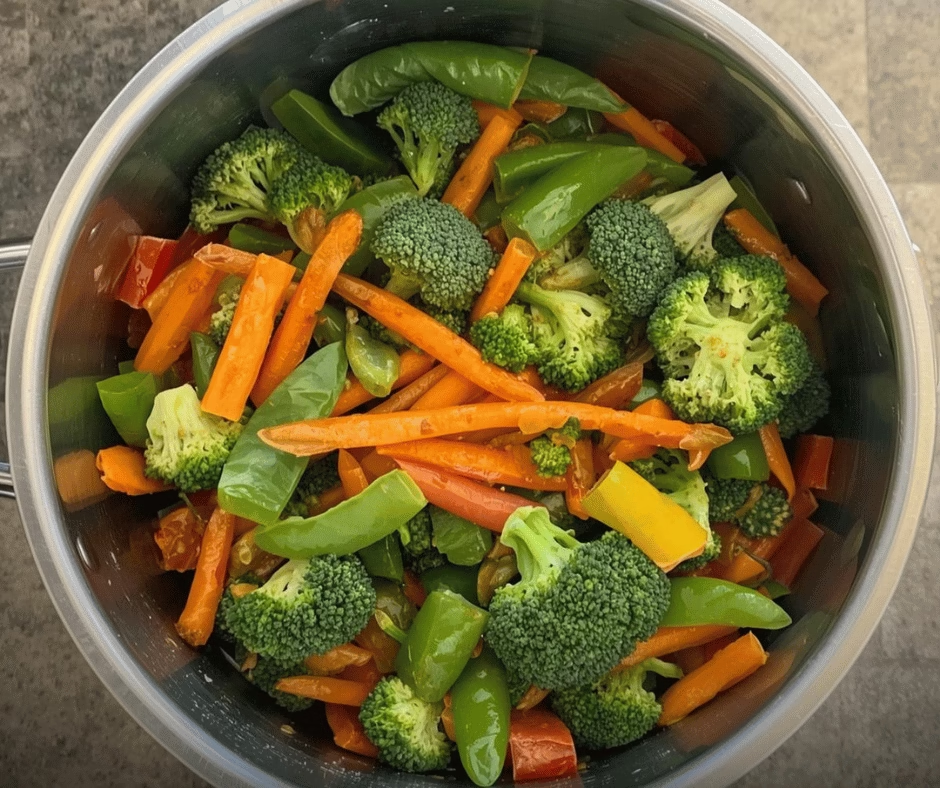
- Broccoli
- Bell peppers
- Snap peas
- Carrots
- Water chestnuts
- Baby corn
Avoid blends with too much zucchini or squash. They release too much water.
Frequently Asked Questions
Yes, and they can be delicious when cooked correctly. Use high heat, don’t thaw them, and avoid overcrowding the pan.
Heat oil in a hot pan. Add frozen vegetables right away. Let the moisture evaporate. Then, add aromatics and sauce at the end.
Start with a hot pan, add oil, cook frozen vegetables until dry, then add protein, sauce, and seasoning.
Use high heat, minimal stirring, and finish with sauce just before serving.
Meal Prep Tips Using
Frozen veggies are perfect for meal prep.
How to Store
- Cooked stir fry lasts 3–4 days in the fridge.
- Store in airtight containers.
- Reheat in a hot pan, not the microwave.
Creative Ways to Use Stir Fry Vegetable Frozen
Avoid restricting them to stir fry.
Try them in:
- Fried rice
- Noodle bowls
- Omelets
- Wraps
- Grain bowls
- Soups
Final Thoughts:
Frozen stir fry vegetables are not a shortcut they’re a smart solution.
They conserve time, alleviate stress, and improve your eating habits.
When cooked properly, they’re crisp, colorful, and full of bold flavor.
Now you know how to use frozen stir fry vegetable. You can create meals that taste fresh, exciting, and satisfying every time.
So grab that bag from your freezer. Heat your pan. And cook with confidence.
Your next great meal is just minutes away.