
Taylor Green
Taylor Green writes about balanced eating, meal planning, and evidence-based nutrition tips. Their goal is to make healthy eating simple and achievable for everyone.
- Taylor Green

- Taylor Green
- Taylor Green
- Taylor Green

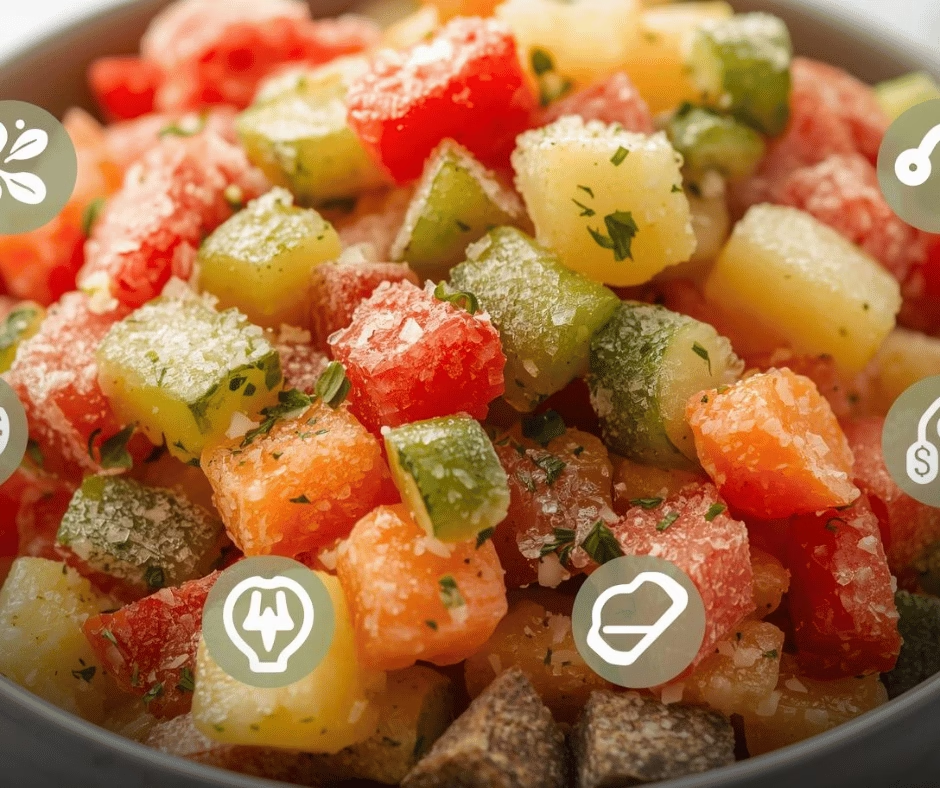
Let’s be honest: frozen mixed vegetables have a bad reputation. We all remember those sad, soggy peas and carrots from school cafeterias or rushed weeknight dinners. They were often bland, watery, and totally uninspiring.
But I’m here to tell you that it doesn’t must be that way. In fact, with the right technique, that humble bag of frozen veggies can become the star of your dinner table.
I used to turn my nose up at the freezer aisle. I thought “fresh is always best.”
Then, I discovered the secret to unlocking the flavor in these icy bags. Now, a bag of mixed vegetables frozen at the peak of freshness is my secret weapon for healthy, fast, and surprisingly gourmet meals. If you are in a hurry or want to eat healthier, this guide will change how you view frozen vegetables.
Why Frozen Mixed Vegetables Are a Kitchen Superpower
Before we start cooking, let’s discuss why you should not ignore that forgotten bag in your freezer.
Peak Nutrition Locked In
A common question I get is: are frozen mixed vegetables good for you? The answer is a resounding yes. In many cases, they are actually better for you than the “fresh” produce sitting in the grocery store for weeks.
Frozen vegetables are flash-frozen within hours of harvest. This locks in vitamins and minerals that fresh vegetables lose over time during transport and storage. You are essentially eating vegetables that someone harvested at their absolute healthiest moment.
The Ultimate Convenience
We all have those nights. You get home late, you’re exhausted, and chopping broccoli feels like climbing a mountain.
Mixed frozen vegetables eliminate the prep work. No washing, no peeling, no chopping. You just open the bag and go.
This convenience makes it easier to follow a healthy diet in the USA and Canada. Busy lifestyles often lead to takeout.
Budget-Friendly Brilliance
Fresh produce prices fluctuate wildly. Frozen veggies are consistently affordable. You can stock up when they are on sale and never worry about them rotting in the crisper drawer before you get a chance to use them.
Mistake People Make
Why do most frozen mixed vegetables recipes fail? Water.
Most people dump the frozen veggies into a pot of boiling water. Stop doing this immediately. Boiling frozen vegetables adds moisture to something that is already full of ice crystals. The result is a waterlogged, mushy mess with zero flavor.
To make frozen mixed vegetables taste good, you need to do the opposite: remove moisture and concentrate the flavor. We want to sauté, roast, or steam never boil.
How to Prepare Frozen Mixed Vegetables
This is the technique that changed my cooking game. We are going to treat these veggies like a steak searing them to get flavor.
The “Dry Pan” Technique
For crisp veggies, start with a hot, dry pan.
- Heat your skillet: Get a large skillet or wok nice and hot over medium-high heat.
- Add the veggies: Toss in your frozen mixed vegetables straight from the bag. Do not thaw them first. Thawing leads to sogginess.
- Evaporate the water: Let them cook for 2-3 minutes. You will see steam rising. This is the ice melting and evaporating. Shake the pan occasionally.
- Add the fat: Once the water has evaporated and the pan looks dry, then you add your butter or oil. This ensures you are frying the vegetables, not boiling them in their own juices.
The Ultimate Buttery Garlic Frozen Mixed Vegetables Recipe
This is the recipe that beats the competition. Simple, savory, and incredibly satisfying. It turns a boring side dish into something your family will ask for seconds of.
Ingredients
- 1 bag (16 oz) frozen mixed vegetables (standard corn, peas, carrots, green beans mix)
- 2 tablespoons unsalted butter (grass-fed is best for flavor)
- 1 tablespoon olive oil
- 3 cloves garlic, minced (fresh is best, but jarred works in a pinch)
- 1/2 teaspoon onion powder
- 1/2 teaspoon dried thyme (or Italian seasoning)
- Salt and black pepper to taste
- Optional: A squeeze of fresh lemon juice or parmesan cheese for finishing
Step-by-Step Instructions
Step 1: The Steam-Off
Place a large skillet over medium-high heat. Add the mixed vegetables frozen directly to the pan. Do not add oil yet. Cook for about 3 to 4 minutes until you see the visible ice disappear and the water evaporates.
Step 2: The Sauté
Push the vegetables to the side of the pan. Add the olive oil and butter to the center. As the butter melts and starts foaming, toss the vegetables into the fat. This coats every pea and carrot in delicious richness.
Step 3: The Aromatics
Add the minced garlic, onion powder, and thyme. Stir constantly for 2 minutes.
You want the garlic to become fragrant but not burn. The corn and carrots should start getting little golden-brown spots. This is the “Maillard reaction,” and it’s where the flavor lives.
Step 4: Season and Serve
Remove from heat. Season generously with salt and pepper. To elevate the dish, add a squeeze of lemon juice to cut through the richness or a sprinkle of parmesan cheese. Serve immediately while hot.
Variations to Spice Up Your Dinner
Once you master the basic method, you can get creative. Here are a few ways to adapt this frozen mixed vegetables recipe for different cuisines.
The Asian Stir-Fry Style
Instead of butter and thyme, use sesame oil and soy sauce.
- Add: Grated ginger, soy sauce, a splash of rice vinegar, and sesame seeds.
- Pair with: Rice or noodles for a quick 10-minute dinner.
The Mexican Fiesta
Give your veggies a taco night twist.
- Add: Cumin, chili powder, and diced red onion.
- Finish with: Fresh cilantro and a squeeze of lime.
- Use in: Burrito bowls or as a side for tacos.
The Comfort Food Creamy Style
Want something richer?
- Add: A splash of heavy cream or a tablespoon of cream cheese at the end.
- Result: A creamy vegetable medley that tastes like the inside of a pot pie.
Deep Dive: How to Make Frozen Mixed Vegetables Taste Good in Other Dishes
You aren’t limited to eating them as a side dish. Frozen mixed vegetables are the ultimate shortcut ingredient for complex meals.
1. The 15-Minute Fried Rice
This is my go-to lunch. Scramble two eggs in a pan, remove them, then use the “Dry Pan” method for your veggies. Add day-old rice, soy sauce, and toss the eggs back in. You have a balanced meal with protein, carbs, and fiber in under 15 minutes.
2. Instant Shepherd’s Pie
Brown some ground beef with onions. Stir in a bag of frozen veggies and some gravy. Top with mashed potatoes and bake. The frozen veggies hold their texture perfectly in the oven and save you 20 minutes of chopping carrots and celery.
3. Hearty Vegetable Soup
Add a bag of mixed veggies to chicken or vegetable broth. Add some pasta or beans, and you have a robust soup. Since you have already blanched the veggies, you only need to simmer them for a few minutes.
People Also Ask (FAQ)
Here are the most common questions I receive about cooking these vegetables. This will help you find all the answers you need.
How to cook frozen mixed vegetables without them getting mushy?
The secret is avoiding boiling water. Sauté them in a skillet over medium-high heat.
Let the ice water evaporate first, then fry them in butter or oil. This keeps the texture crisp and the flavor concentrated. Roasting them in the oven at 400°F (200°C) also works well to keep them firm.
Are frozen mixed vegetables good for you?
Absolutely. These foods pack fiber, Vitamin A, Vitamin C, and antioxidants.
Frozen vegetables keep their nutrients better than fresh ones. This is because they are frozen right after harvest. Fresh vegetables often sit in transport trucks for days. They are a healthy, smart choice for any diet.
How to make frozen mixed vegetables taste good?
Fat and acid are your friends. Don’t just rely on salt. Use butter or olive oil to carry flavor.
Add aromatics like garlic and onion. Finally, finish with an acid like lemon juice, balsamic vinegar, or even hot sauce. These layers of flavor mask the “freezer” taste and make the dish pop.
How to prepare frozen mixed vegetables in the oven?
Preheat your oven to 400°F (200°C). Toss the frozen veggies (no need to thaw) with olive oil, salt, pepper, and garlic powder. Spread them in a single layer on a baking sheet.
Roast for 15-20 minutes, stirring halfway through. This caramelizes the sugars in the corn and carrots, making them incredibly sweet and savory.
Expert Tips for Buying and Storing
Not all bags are created equal. Here is how to shop smart in the USA and Canada.
- The “Feel” Test: Before you buy, squeeze the bag. If the vegetables are one giant solid block of ice, put it back. That means the bag thawed and refroze, which destroys the texture. You want to feel individual loose peas and corn kernels.
- Check the Ingredients: The best bags have one ingredient: “Mixed Vegetables.” Avoid bags that come pre-seasoned or with “butter sauce” disks inside. These sauces are usually high in sodium and artificial flavors. You can make a much better sauce at home in two minutes.
- Storage: Keep your freezer at 0°F (-18°C). Once opened, seal the bag tightly with a clip. Air is the enemy and causes freezer burn, which creates that weird “old freezer” taste.
Why This Method Beats the Competition
You might see other recipes online, like the one from Philly Jay Cooking, suggesting boiling or using heavy stocks. While those methods are okay, they often result in a diluted flavor profile.
My method focuses on concentration. By first removing the moisture and then frying in fat, we enhance the natural sweetness of the carrots and corn. We are respecting the ingredient rather than just heating it up. This chef-driven approach is what separates a bland side dish from a memorable part of your meal.
Conclusion:
Cooking healthy must be easy, affordable, and quick. You can make a healthy and tasty meal in under 10 minutes. Just use a bag of frozen mixed vegetables and some butter. Follow the right method to prepare it.
Stop boiling the flavor out of your food. Try the sauté method tonight. I promise, once you taste the difference, you will see things differently. The snap of the green bean, the sweetness of the corn, and the savory garlic butter coating will change your mind about frozen food.